
UK Threatens Full Visa Ban on Eritrea Over Dispute Involving Migrant Returns
United Kingdom Home Secretary Shabana Mahmood has threatened to bar all Eritrean nationals from entering the country unless the East African government accepts more deportations of small boat migrants and foreign offenders. The dispute has prompted diplomatic travel restrictions around London, drawing sharp condemnation from Eritrean officials.
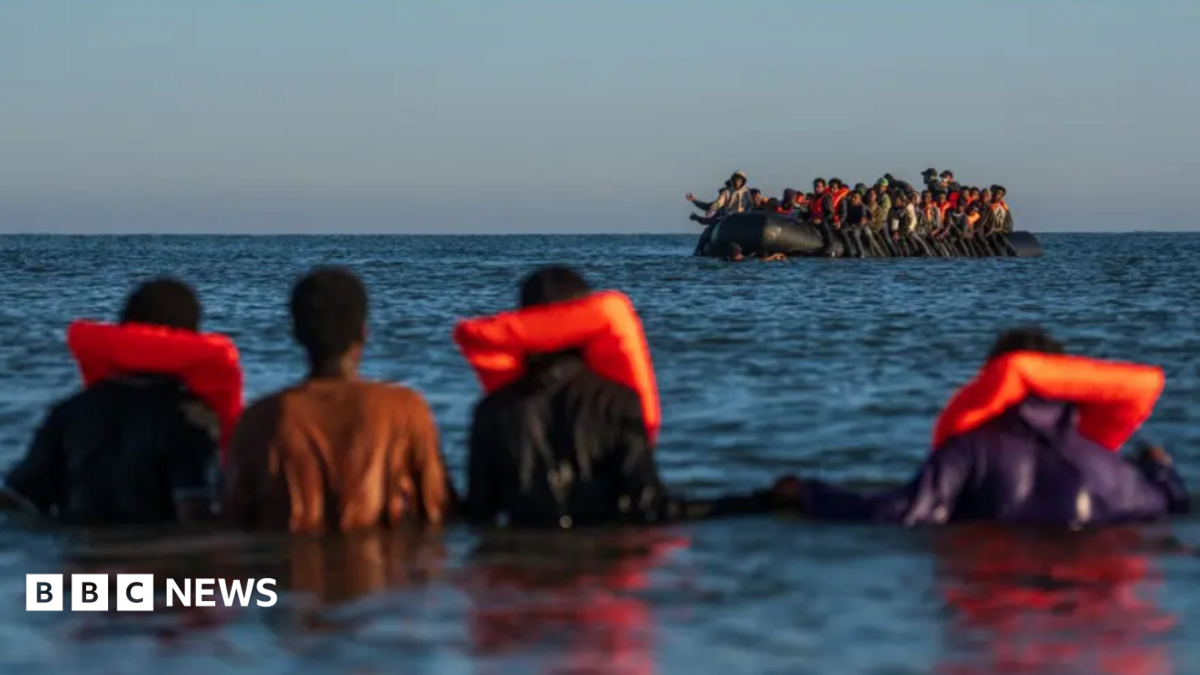
United Kingdom Home Secretary Shabana Mahmood has warned that the British government could block all Eritrean citizens from entering the UK if the East African nation does not accept higher numbers of returned migrants and foreign offenders, according to reporting by BBC News.
Under immediate measures instituted by the UK government, Eritrean diplomats will face strict movement curbs preventing them from traveling more than 60 kilometers outside London without prior permission. Officials in London also moved to eliminate fast-track visas previously available for visiting dignitaries, asserting that the travel radius mirrored long-standing rules imposed on British diplomats stationed in Asmara.
The diplomatic clash follows escalating friction over immigration enforcement. According to figures from the House of Commons Library cited by BBC News, Eritrean nationals represented the single largest group arriving across the English Channel via small boats during the twelve months leading to June, making up 18 percent of total arrivals. Home Office records indicate that more than 5,800 Eritreans arrived on small boats over that timeframe, while only seven people were returned directly to Eritrea and another 244 were transferred to third nations.
Mahmood stated that Eritrea had repeatedly declined to accept returned individuals who have exhausted their legal right to remain in Britain. The Home Secretary cautioned that she would not hesitate to enforce similar measures against any other country that refuses to cooperate with British deportation requests.
Eritrea's London embassy swiftly rejected the British government's threats, characterizing the penalties as a political gimmick. The embassy stated that the UK had consistently refused to engage in meaningful dialogue, alleged that British authorities failed to provide full details regarding individuals serving prison sentences, and argued that British officials falsely described certain deportations as voluntary. While the embassy asserted that no visas had been granted to Eritrean officials since 2023, the Home Office contested that claim, stating an immigration exemption had been granted to an official in August 2026.
Immigration analysts have questioned whether targeting Eritrea will yield practical enforcement results. Dr. Madeleine Sumption, director of the Migration Observatory at the University of Oxford, told BBC Radio 4's Today programme that roughly 84 percent of Eritrean asylum seekers receive approval at their initial determination, meaning the vast majority cannot be lawfully deported under humanitarian law. Sumption also noted that British ministers appear far less inclined to impose visa penalties on larger trade partners such as Pakistan or Bangladesh, where deportation refusals also occur.
Human rights organizations, including Human Rights Watch, have documented decades of severe political repression in Eritrea under President Isaias Afwerki. The one-party state has not conducted an election since securing independence from Ethiopia in 1993, maintains strict controls on religious practice, and subjects citizens to indefinite mandatory military conscription.