
Trinity UMC History Deeply Intertwined With the Legacy of Black Houston
Trinity United Methodist Church holds a rich history that is deeply intertwined with the story of Black Houston. Reporting from the Defender Network highlights how the historic church remains a vital pillar of the city's Black heritage and community identity.
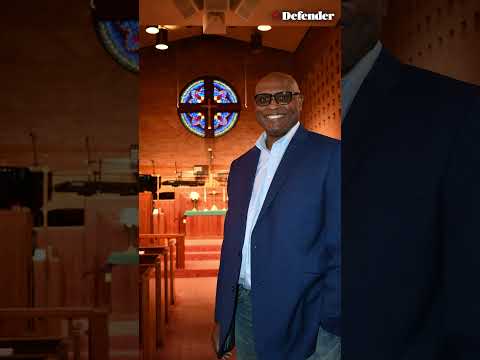
The historical narrative of Trinity United Methodist Church is deeply intertwined with the broader history and heritage of Black Houston, according to reporting published by the Defender Network and syndicated through Black Press USA. The historic institution stands as a significant focal point in the ongoing story of African American civic life, religious organization, and cultural development in the Houston metropolitan area.
According to the Defender Network, Trinity UMC represents an essential connection to the historical journey of Houston’s Black community. Across Texas and throughout the United States, historically Black houses of worship have traditionally fulfilled roles that extend far beyond weekly religious services. They have served as crucial hubs for community organization, educational advancement, social justice advocacy, and mutual aid during key periods of local history.
While specific founding dates, founding pastors, physical street addresses, and distinct archival milestones were not fully detailed in the initial materials provided by the Defender Network, the publisher emphasizes that Trinity UMC’s legacy remains fundamentally bound to the historical trajectory of Black Houston. Kulture Newz has not independently confirmed specific timeline details, historical leadership records, or congregational archives beyond the core statements published by the Defender Network and Black Press USA.
The focus on Trinity UMC by Black press outlets highlights the ongoing commitment of Black media organizations to document, preserve, and elevate African American local history. Outlets such as the Defender Network continue to highlight how legacy institutions shape the cultural foundation of Black neighborhoods in Houston, ensuring that historically significant stories remain accessible to contemporary audiences and future generations.
As reflected in wider Black press reporting, historical institutions like Trinity UMC offer valuable perspective on how Black communities in major southern urban centers built resilient social structures. Historically, Black churches often served as indispensable gathering spaces where community leaders, educators, and families gathered to address systemic challenges, foster economic self-reliance, and organize civil rights initiatives.
Community news platforms and local historians continue to emphasize that understanding institutional histories like that of Trinity UMC is necessary for comprehending the complete heritage of Houston. According to the reporting from the Defender Network, highlighting these institutional connections helps illustrate how faith and community action have historically sustained Houston’s Black residents through changing eras.
Preserving the legacy of institutions such as Trinity UMC remains a central topic among community advocates who work to protect historic Black landmarks across Texas. By bringing attention to the deep-rooted connections between faith organizations and local urban history, news outlets like the Defender Network seek to foster greater awareness of the foundational contributions made by Black Houstonians.
At this time, Kulture Newz has not independently confirmed additional historical documents, physical site specifications, or specific congregational programs associated with Trinity UMC. As further verified details, historical records, or official announcements are made available by the church, university partners, or local historical preservation societies, Kulture Newz will update this story with complete verified information.