
How Steph Curry Reshaped NBA Defenses, Player Recruiting, and Cultural Stereotypes
Steph Curry's offensive brilliance has forced NBA defenses to guard players from half court, changing player recruitment strategies across the sport. By prioritizing quick sharpshooters over traditional power players, Curry's impact also challenges longstanding cultural stereotypes surrounding Black male athletes.
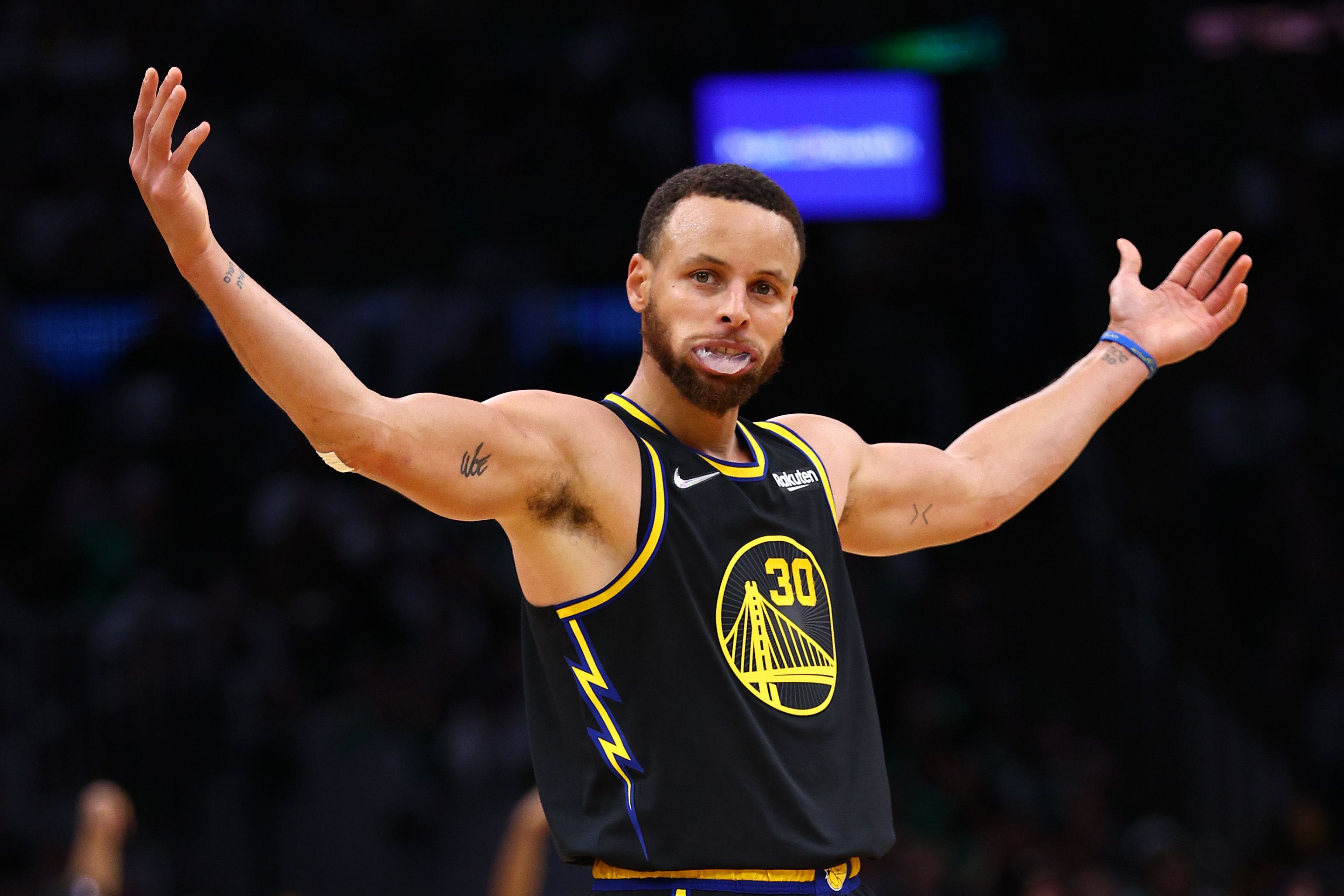
According to analysis published by Black Press USA and featured in coverage by the Minnesota Spokesman-Recorder, Steph Curry has fundamentally reshaped basketball strategy and player evaluation. Curry’s elite offensive talent and extraordinary perimeter shooting range have forced NBA defenses to adjust their schemes, requiring defenders to pick up offensive players as far back as half court. This half-court threat represents a structural shift in how modern basketball is played, stretching floor spacing to unprecedented levels and altering defensive priorities across the league.
The defensive evolution triggered by Curry’s perimeter range has extended far beyond professional games, fundamentally altering talent evaluation and player recruitment. According to the reported analysis, basketball programs and scouts increasingly prioritize quick, sharpshooting guards who can stretch defensive schemes over traditional power players who previously dominated near the basket. As perimeter shooting becomes an essential tactical requirement, talent evaluators have adjusted their criteria to seek out players who possess elite shooting mechanics and deep range, permanently shifting how rosters are constructed across the sport.
Beyond tactical adjustments on the court, Curry’s playing style and public profile have challenged longstanding stereotypes regarding Black male athletes. According to Black Press USA, Curry’s athletic profile directly defies the traditional bigger, faster, and stronger narrative that historically defined cultural and athletic expectations for Black men in professional sports. By proving that elite basketball excellence can be achieved through skill, precision, and deep shooting range rather than sheer physical force, Curry has disrupted long-held embodied and economic expectations both on and off the basketball court.
The reported analysis notes that demonstrating technique and movement in motion serves as a powerful mechanism for teaching, leadership, and motivation among young athletes. By observing elite technical execution rather than relying solely on traditional physical benchmarks, young players learn leadership and motivation through action. This shift reinforces how technical mastery can redefine traditional roles, showing how strategic innovation directly influences the development of future generations of athletes.
According to the published analysis, Curry’s impact continues to reverberate across sports analysis, recruitment philosophy, and player development strategies. As teams adapt to defensive principles designed to guard players from half court, the emphasis on perimeter precision remains a central focus of modern basketball strategy, cementing a legacy that spans tactical design, player recruitment, and cultural perceptions within the sport.