
Federal Judge Refuses to Dismiss Mike Tyson and Ric Flair's $50 Million Cannabis Fraud Lawsuit
Boxing icon Mike Tyson and wrestling legend Ric Flair can proceed with their $50 million fraud and racketeering lawsuit against five former business partners. A federal judge denied a motion to dismiss the dispute centering on the management of their cannabis ventures.
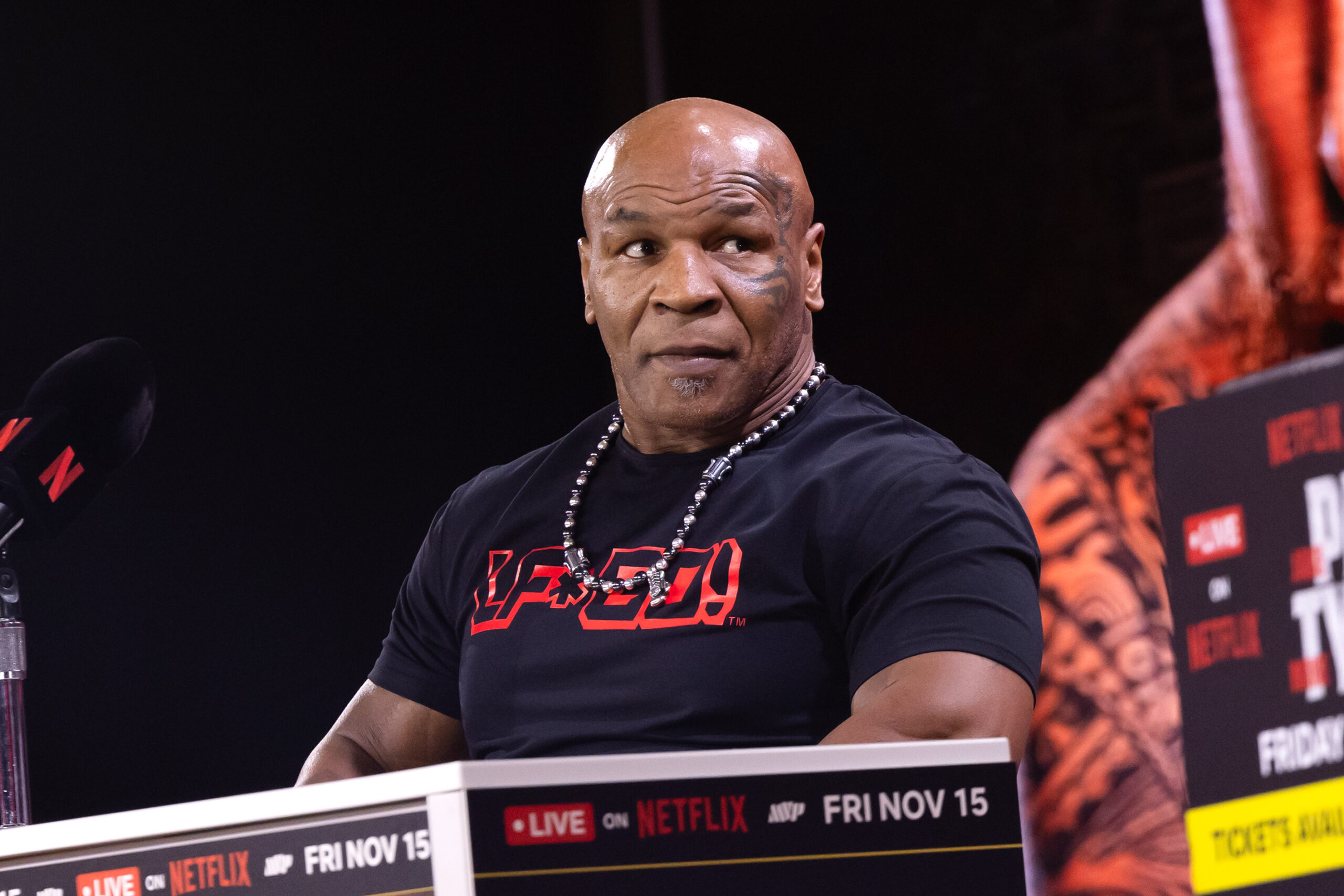
A federal judge has rejected an effort to dismiss a high-stakes civil racketeering lawsuit brought by boxing icon Mike Tyson, professional wrestling legend Ric Flair, and their associated corporate entities, according to reporting by AllHipHop and TMZ Sports. The ruling allows the plaintiffs to move forward with claims seeking over $50 million in damages and legal fees from five former business associates connected to the venture Carma HoldCo. The lawsuit, originally filed in December 2025 in the U.S.
District Court for the Northern District of Illinois, lists Tyson and Flair alongside Carma HoldCo, hemp enterprise LGNDS LLC, and Tyson 2.0 as plaintiffs. The action targets former executives and associates Chad Bronstein, Adam Wilks, Nicole Cosby, James Case, and Christopher Volo, all of whom have previously denied any wrongdoing regarding the operational finances of the business. At the center of the dispute are the celebrity-fronted cannabis lines Tyson 2.0 and Ric Flair Drip, which operated under the corporate umbrella of Carma HoldCo to market and distribute cannabis goods.
According to the allegations detailed in the court filings, the defendants engaged in an overarching pattern of self-enrichment by siphoning commercial resources and executing transactions without obtaining proper authorization from the company. Among the specific grievances raised in the second amended complaint, the plaintiffs allege that former leaders misused in excess of $1 million in corporate capital to fund private personal luxuries. The court documents claim that company accounts were tapped to pay for chartered private jet travel, yacht maintenance, and personal residential renovations.
The lawsuit further asserts that former executives arranged unauthorized licensing agreements and collected concealed kickbacks. According to the plaintiffs, one such arrangement involved vape manufacturer DomPen, which allegedly secured access to Carma HoldCo's intellectual property through terms structured to directly benefit Wilks. Additional claims outlined in the complaint accuse the defendants of creating no-show jobs and manipulating balance sheets to artificially inflate the financial valuation of Carma HoldCo on paper.
The legal team representing Tyson and Flair brought these allegations under the federal Racketeer Influenced and Corrupt Organizations Act, known as RICO, contending that the various unauthorized transactions and financial maneuvers functioned as an organized scheme within the enterprise. In response, the five defendants submitted a joint motion to dismiss the lawsuit in May, asserting that the plaintiffs had failed to state a viable legal claim and petitioning the court to halt the litigation entirely.
With the federal judge denying that dismissal request, the plaintiffs maintain their demand for a trial by jury. Following the ruling, a representative for Tyson 2.0 stated that the decision permits the litigation to move forward and affirmed that the company welcomes the opportunity to present its case in court.