
From Ma Rainey to Generative AI: How the Historic Struggle Over Black Artistic Control Resonates Today
Round House Theatre's production of August Wilson's 'Ma Rainey's Black Bottom' brings the 1920s struggle over artistic ownership back into focus. The staging highlights enduring questions of creative control as modern artists confront artificial intelligence platforms.
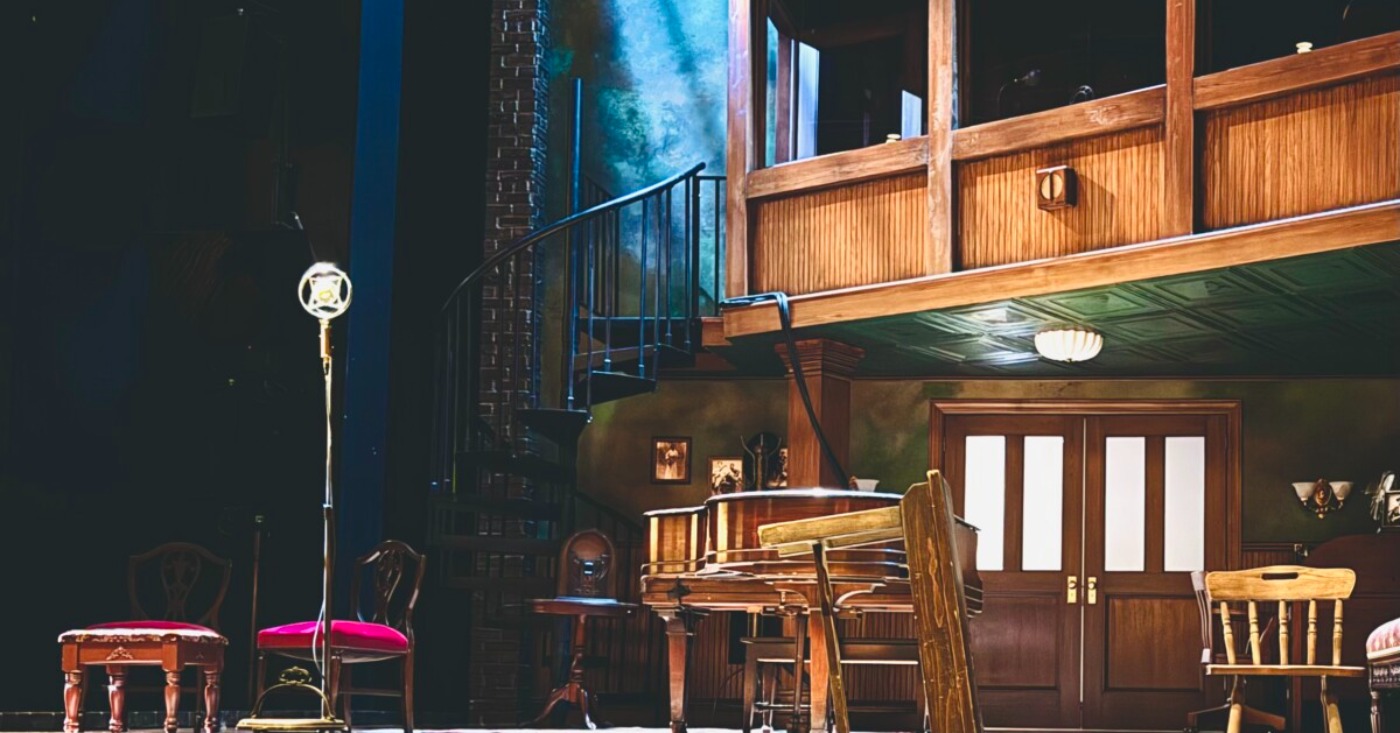
A classic theatrical portrait of 1920s musical exploitation is offering new perspective on modern legal battles over artificial intelligence and creative control. As reported by the Howard University News Service, Round House Theatre in Bethesda, Maryland, staged August Wilson's play "Ma Rainey's Black Bottom" through October 18, centering on the historic conflict between Black musicians and white record executives.\n\nSet inside a 1920s Chicago recording studio, Wilson's drama follows blues legend Gertrude "Ma" Rainey and her band as they navigate intense pressures surrounding money, authority, and creative autonomy.
Actress Nicole Michelle Haskins, who portrays Rainey in the production, explained in reporting by the Howard University News Service that Ma enters the studio fully aware of her commercial power. Haskins noted that Rainey exercises her leverage when executives attempt to dictate the session, choosing to position herself with authority rather than surrender control.\n\nThe real Gertrude "Ma" Rainey was among the earliest Black women to record blues commercially, completing more than 100 tracks for Paramount Records between 1923 and 1928, according to historical details provided by the Smithsonian.
A surviving royalty agreement from December 12, 1923, for the song "Walking Blues" shows that Rainey and composer Lovie Austin were granted two cents per printed piano copy sold in the United States and Canada, along with one-fourth of mechanical reproduction royalties after a 10 percent collection deduction.\n\nAs documented by the Library of Congress and highlighted in the Howard University News Service report, early record companies frequently utilized white performers to re-record material created by Black musicians rather than hiring the original creators.
Haskins observed that while technology has advanced, the underlying systemic effort to disconnect Black creators from the governance of their work remains an ongoing reality.\n\nThat historical leverage battle reflects growing modern concerns over artificial intelligence platforms that recreate artists' likenesses and vocal styles without permission. On August 31, musicians Jason Isbell, David Lowery, Guy Forsyth, and Eduardo Calle filed a class-action lawsuit against AI music generator Suno, alleging commercial exploitation of their identities under state right-of-publicity laws.
According to court filings cited in the report, plaintiffs argue that AI systems allow users to generate music drawing on distinct artist styles without securing consent.\n\nSuno has disputed the lawsuit's claims, stating that it does not use artist names as training metadata and actively filters specific artist names, directing users toward general descriptive terms like tempo and instrumentation. Meanwhile, music industry data illustrates the rapid scale of generative technology. Streaming service Deezer reported receiving roughly 90,000 fully AI-generated tracks per day in July, representing over half of its daily uploads despite accounting for less than 3 percent of total plays.\n\nIn response to growing industry friction, the U.S.
Copyright Office conducted a broad inquiry into AI technology, collecting more than 10,000 public comments and recommending federal legislation to address gaps in legal protections against unauthorized voice and image replicas.