
From CPA To Startup Founder: How Busayo Ogunsanya Is Rewiring Tax With AI
Busayo Ogunsanya went from a chance cafeteria meeting with a recruiter to co-founding Muse Tax, an AI-powered tax platform. His message to HBCU students: accounting is the language of business, and the next five years belong to whoever learns to speak it with technology.
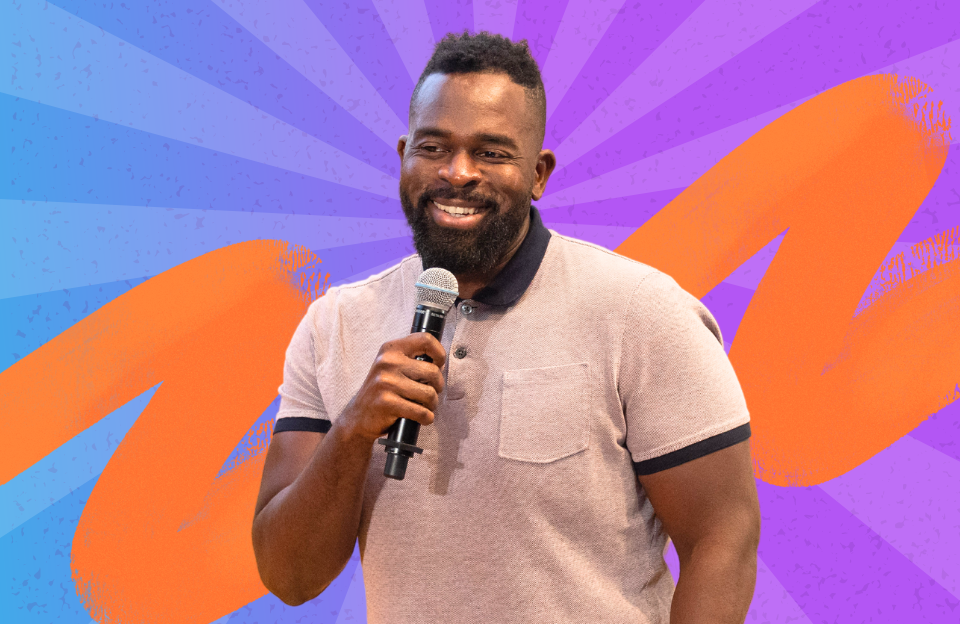
Busayo Ogunsanya did not plan to become a founder. He planned to become fluent.
Born in Nigeria and now based in New York City, Ogunsanya says he settled on accounting at Fordham University after concluding it was "the language of business" — a skill set that travels into any industry, any deal, any company. A chance encounter with a recruiter in a campus cafeteria turned into an internship, then a full-time offer at a public accounting firm, and the traditional track was set.
What followed was the grind familiar to every student weighing a professional license against a paycheck: working full-time while studying for the CPA exam. Ogunsanya has described both the job and the license as gateways to freedom rather than obligations — the credential was the leverage, not the destination.
After public accounting, he moved into private equity, where the work shifted from recording wealth to understanding how it is built and managed. That vantage point, combined with a personal habit of, in his words, tinkering with technology and asking how work will be done "in the next 10 or 15 years," pushed him toward building rather than advising.
The first experiment was a chatbot he called Ask My Uncle Sam. It became Muse Tax, the company he co-founded to fold artificial intelligence into tax planning. The premise is predictive: train models across many different taxpayer profiles and the software can anticipate outcomes instead of simply reporting them after the fact. "If you build a large LLM model and train those data sets based on everyone's different profile, you could build something very unique," he said.
His read on the profession is unusually bullish at a moment when students are being told software will eat entry-level finance work. Ogunsanya expects high demand for accountants over the next three to five years, largely because a significant share of the current workforce is nearing retirement. In his framing, that is not a threat to Gen Z — it is an opening.
He is also blunt about how differently that opening can be worked today. There was no Upwork, Fiverr, YouTube, Instagram or TikTok when he started, he noted; now a young accountant can build a brand inside a niche. The example he offers should land squarely on HBCU campuses: tax planning for NIL athletes, including athletes across the Southwestern Athletic Conference, where name, image and likeness money is arriving faster than financial infrastructure to manage it.
His advice for students is practical. Keep a long-term vision and picture the lifestyle you want a decade out. Treat the accounting background as versatile rather than narrow — it supports the corporate ladder and the startup equally. Plan the path deliberately. And do not be deterred by the math myth: with modern tools, he argues, the work is about understanding concepts, not raw calculation.
The throughline of Ogunsanya's story is not that he left accounting. It is that he refused to treat the credential as a ceiling — and he is betting the students coming behind him will not either.