
Judicial Diversity at Risk as Black Women Jurists Sound Alarm on Down-Ballot Voter Fatigue
Black women judges across the country are raising urgent concerns regarding down-ballot voter drop-off during election cycles. According to reporting from Black Press USA, legal advocates emphasize that contested judicial races remain pivotal in shaping the legal framework and community representation within the nation's justice system.
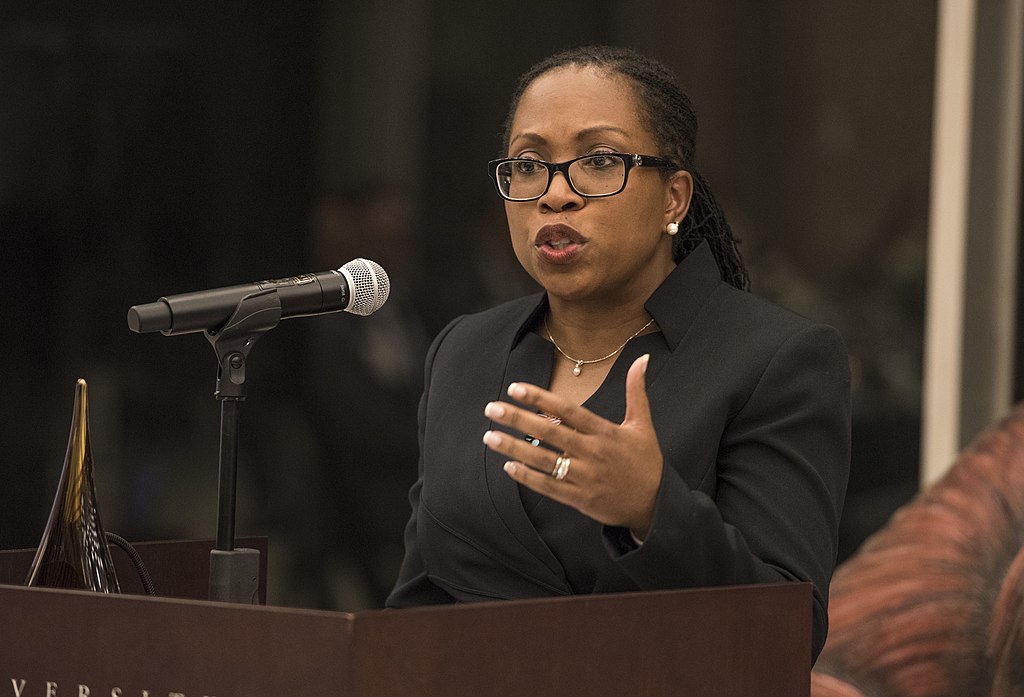
Civic advocates and legal scholars have long observed that voter turnout naturally wanes as citizens move further down the ballot. However, the stakes of that drop-off have reached a critical juncture for community representation, as Black women judges sound an urgent alarm over the impact of unfinished ballots on local benches.
According to reporting from Black Press USA, Black women jurists are warning voters that skipping down-ballot judicial contests poses a direct threat to the ongoing fight for equitable legal systems. While national contests often dominate headlines and civic mobilization campaigns, state, municipal, and county judicial races directly influence daily life, sentencing standards, civil disputes, and local jurisprudence.
Down-ballot fatigue, or voter roll-off, occurs when a voter casts a vote in top-of-the-ticket executive or legislative races but leaves the lower sections of the ballot blank. Because judges frequently run in nonpartisan or lesser-publicized municipal races, these seats often suffer the highest roll-off rates. According to analysis shared across the Black press network, this phenomenon leaves key seats vulnerable to outcomes decided by only a tiny fraction of the electorate.
Judicial diversity has historically lagged behind demographic shifts across the United States. For decades, Black women faced substantial systemic hurdles in securing appointments or winning elections to county, district, and appellate courts. When community members fail to complete their ballots, grassroots support for qualified Black women candidates often declines, reducing diversity in courthouses where crucial decisions regarding public safety, family law, and civil rights are handed down daily.
Community legal advocates stress that courtrooms are the front lines of governance. From housing court proceedings to criminal pre-trial detention hearings, municipal and district judges wield considerable discretion. When voters fail to educate themselves on judicial candidates or bypass judicial sections entirely, the legal system risks losing the perspective of jurists dedicated to equitable administration of the law.
Kulture Newz has not independently confirmed specific national data sets on recent down-ballot attrition rates across every municipal jurisdiction, but election analysts consistently note that municipal and judicial races regularly draw far fewer completed votes than marquee executive contests. With judicial seats increasingly contested across multiple battleground states and major metropolitan centers, advocacy groups are urging voters to research judicial candidates before stepping into the voting booth.
As civil rights organizers and legal networks continue public education efforts, the core message from jurists remains consistent: democracy does not end at the top of the ticket, and the integrity of the judicial branch depends on every citizen completing their full ballot from top to bottom.