Ava DuVernay Defends AI Animation in '14th' Documentary Ahead of Netflix Release
Filmmaker Ava DuVernay is standing firmly behind her decision to employ artificial intelligence in her new documentary, '14th.' Addressing criticism over the technique, DuVernay explained that animating public domain images served to deepen viewer engagement with historical records without inventing false figures or synthetic voices.
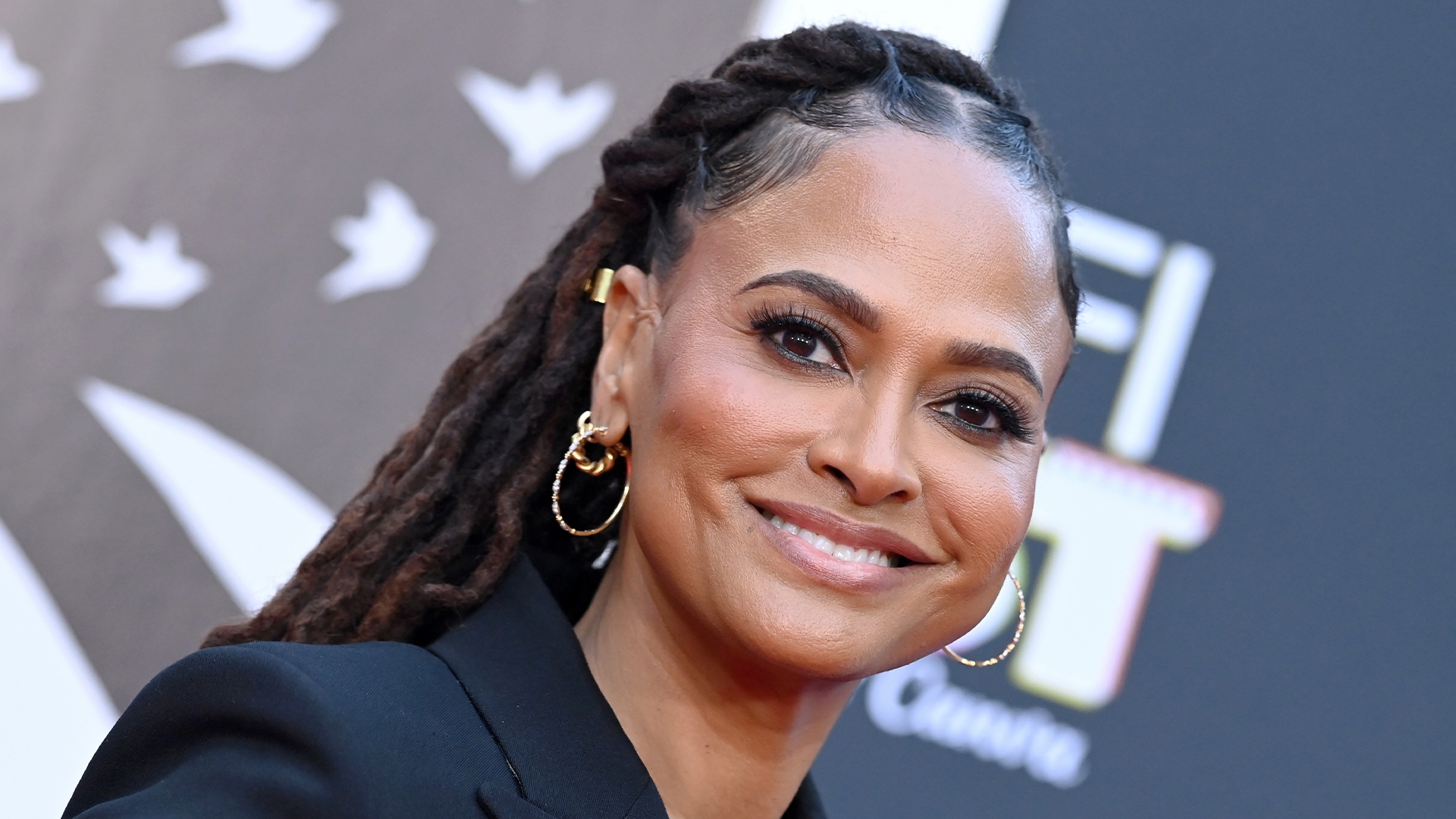
Filmmaker Ava DuVernay is addressing scrutiny surrounding her latest documentary project, "14th," affirming her choice to incorporate artificial intelligence during post-production. Arriving ten years after her landmark documentary "13th," the new film investigates how key principles guaranteed by the 14th Amendment—including citizenship, due process, and equal protection under the law—continue to be contested, according to reporting by AFROTECH citing the AV Club.
DuVernay explained that her motivation to pursue the documentary emerged when former president Donald Trump publicly discussed an interest in ending birthright citizenship while campaigning, as reported by The Hollywood Reporter. In comments highlighted by the publication, DuVernay recounted how that political rhetoric prompted her creative inquiry.
"I don’t know much about the 14th Amendment at that point, but I know birthright citizenship is in it," DuVernay stated, according to The Hollywood Reporter. "So we start thinking about the possibility of making this film at that point,… and once we saw all of the tentacles of the current administration attacking this amendment, we knew that there was more there. So we investigated it, and that’s what the film became."
Following its initial presentation, "14th" drew public criticism for using artificial intelligence in post-production to animate certain still photographs. Speaking to The Hollywood Reporter, DuVernay stood by the creative approach and pointed out that automated and digital tools are already embedded across modern filmmaking workflows.
"The tools that the artists used to do the parallax and the animation in the films have that technology in them, as does Pro Tools with sound, as does Avid with editorial, as does Resolve with color," she told The Hollywood Reporter. "I think we’ve come to a place in filmmaking where we have to be really sober about the ways in which that technology is [used] across so much of the workflow."
DuVernay also drew a distinction between generative visual enhancement and fabrication, clarifying that her team avoided generating artificial likenesses or cloning audio. "We didn’t use it to fabricate a person or make an avatar of a person or approximate someone’s voice that said something they didn’t say," she told the outlet. "We actually animated some photos that are in the public domain, and from what we’ve been hearing from people, it does bring people closer to that time in history, which was our goal. So people have to see it and check it out for themselves and make their decisions about how they feel."
The documentary premiered at the New York Film Festival and is scheduled to arrive on Netflix on Dec. 4, according to reporting from the AV Club shared by AFROTECH.