
AutoNetwork Guides Drivers on Vehicle Hesitation and Highlights Legacy of Black-Owned Banks
Recent video reporting from AutoNetwork, featured on BlackPressUSA, outlines simple steps for drivers addressing vehicle takeoff hesitation through daylight test drives. The coverage also highlights standard car warranty structures and examines the historic legacy of Black-owned banks in America.
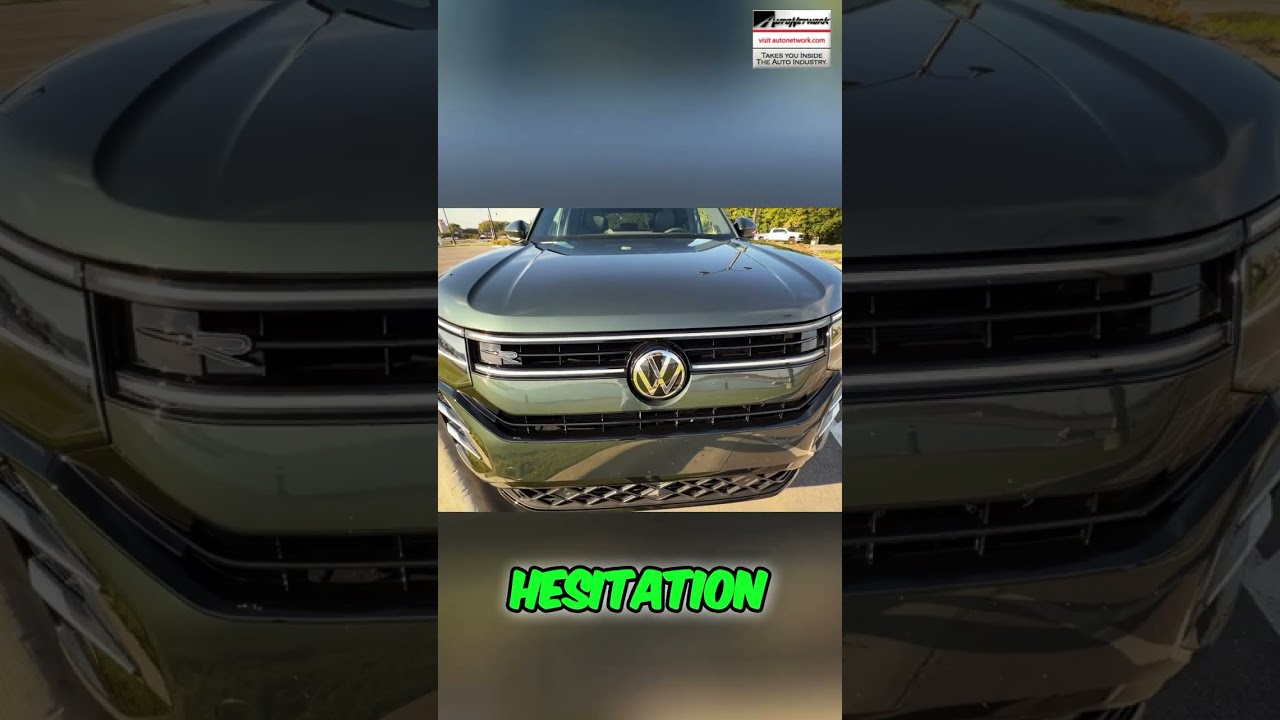
Drivers experiencing vehicle takeoff hesitation can utilize daylight test drives to identify common cabin interferences and visibility problems, according to automotive reporting by Roosevelt Gist for AutoNetwork, published by BlackPressUSA. The consumer advice highlights how conducting vehicle evaluations during daylight hours allows drivers to properly assess their line of sight from their standard driving position. Additionally, the coverage notes that unexpected acceleration hesitation can sometimes stem from physical objects, such as credit cards or key rings, left resting on internal wireless charging pads.
The AutoNetwork review details several subtle factors that affect initial driving comfort and vehicle operation. According to the report on BlackPressUSA, issues such as dashboard reflections on the front windshield, a seat cushion that feels uncomfortably short, and momentary delays during takeoff can create driver anxiety during initial vehicle use. Identifying these elements during a structured daylight drive allows vehicle owners to distinguish between routine cabin distractions and actual mechanical faults.
In addition to test-drive recommendations, AutoNetwork provided an overview of standard vehicle warranty protections available to modern car buyers. According to the reported breakdown, basic bumper-to-bumper warranties typically cover vehicles for three years or 36,000 miles, while coverage for electric vehicle batteries generally extends to eight years or 100,000 miles. The reporting further noted that many comprehensive vehicle warranties incorporate complimentary benefits, including roadside assistance services, courtesy transportation while repairs are performed, and coverage for a primary maintenance visit.
Alongside practical consumer advice, the AutoNetwork video feature on BlackPressUSA explored significant milestones in African American economic history, focusing on the rise and decline of Black-owned financial institutions. According to historical details cited in the report, Black-owned banks originally emerged out of necessity following the collapse of the Freedman's Savings Bank in 1874, as Black communities sought financial autonomy and economic equity.
Between 1888 and 1934, a total of 134 Black-owned banks were founded across the United States, as documented by the AutoNetwork series. The reporting highlighted the historic resilience of True Reformers, a Black-owned bank in Richmond, Virginia, which served as the sole banking institution in the city to remain open and continuously honor checks throughout the financial Panic of 1893. However, current data cited in the feature shows a dramatic reduction in these institutions, with only 24 Black-owned banks remaining active today after more than half of the historical total vanished in less than twenty years.