
Abdul El-Sayed Makes History in Michigan, Winning Landmark U.S. Senate Seat
Abdul El-Sayed has won the Michigan Senate race, defeating Republican opponent Mike Rogers in a historic outcome. With projections showing El-Sayed ahead by over six percentage points, he becomes the first Muslim senator elected in U.S. history.
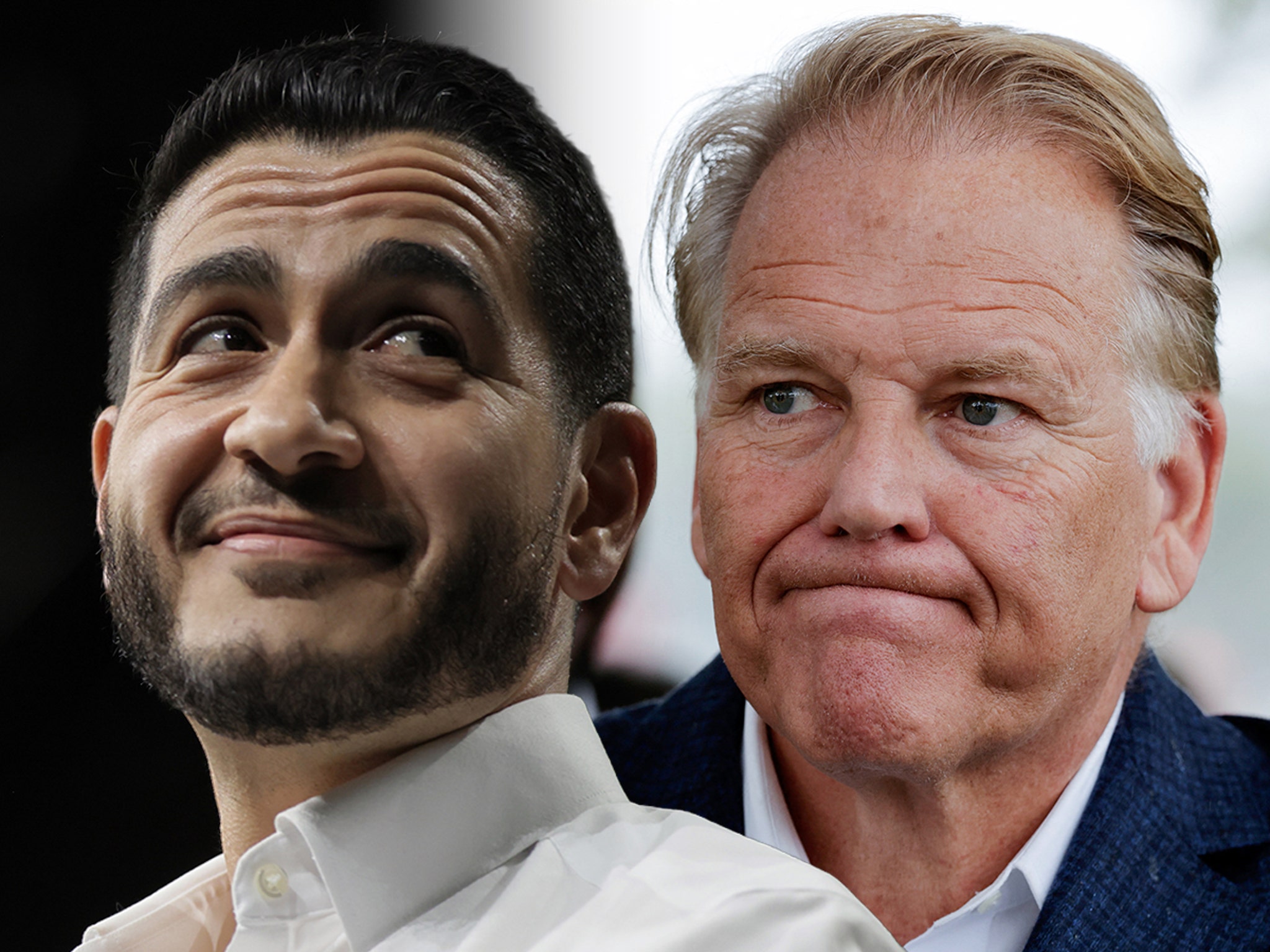
Abdul El-Sayed has made history by becoming the nation's first Muslim U.S. senator following a decisive victory over Republican opponent Mike Rogers in Michigan, according to election projections reported by NBC News and detailed by TMZ.
According to NBC News projections reported overnight, El-Sayed captured 52.3 percent of the vote compared to 45.7 percent for Rogers, with 94.4 percent of the ballots tallied. In total vote counts reported by TMZ, El-Sayed secured 2,431,112 votes against 2,123,522 votes for Rogers. Third-party candidate Lydia Christensen received approximately 1 percent of the total vote.
The historic outcome capped an intense, hard-fought campaign that saw dramatic shifts within the state's Democratic coalition during the final days before the election. Over the weekend leading into Election Day, Democratic Representative Haley Stevens rescinded her endorsement of El-Sayed, making the rare move of backing his Republican opponent.
Stevens officially announced her endorsement of Rogers on Sunday, coming mere hours after she had publicly indicated that she planned to stand by El-Sayed. Stevens subsequently appeared on CNN with anchor Anderson Cooper to explain her abrupt reversal, an interview that drew widespread attention and swift political pushback.
Prominent national Democratic strategists voiced sharp disapproval over Stevens' decision. Veteran political figures James Carville and Lis Smith both publicly criticized the congresswoman for crossing party lines to support Rogers. In contrast, Pennsylvania Governor Josh Shapiro adopted a more neutral posture, neither joining the criticism against Stevens nor publicly defending her endorsement.
Stevens addressed the surrounding controversy on Election Day in a personal letter, elaborating on her reasoning for crossing party lines and voicing frustration with the harsh attacks she received from within her own party following the endorsement.
Despite the late political friction, El-Sayed maintained a firm lead through election night to secure the seat. His victory establishes a significant national milestone in legislative representation as he prepares to enter the upper chamber of the United States Congress.